Confucius Institute at the University of Latvia Attends the 1st International Symposium on Chinese Language, Literature, and Culture in Brașov, Romania / 拉脱维亚大学孔子学院代表团出席罗马尼亚布拉索夫国际中文研讨会
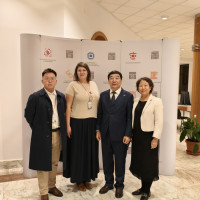
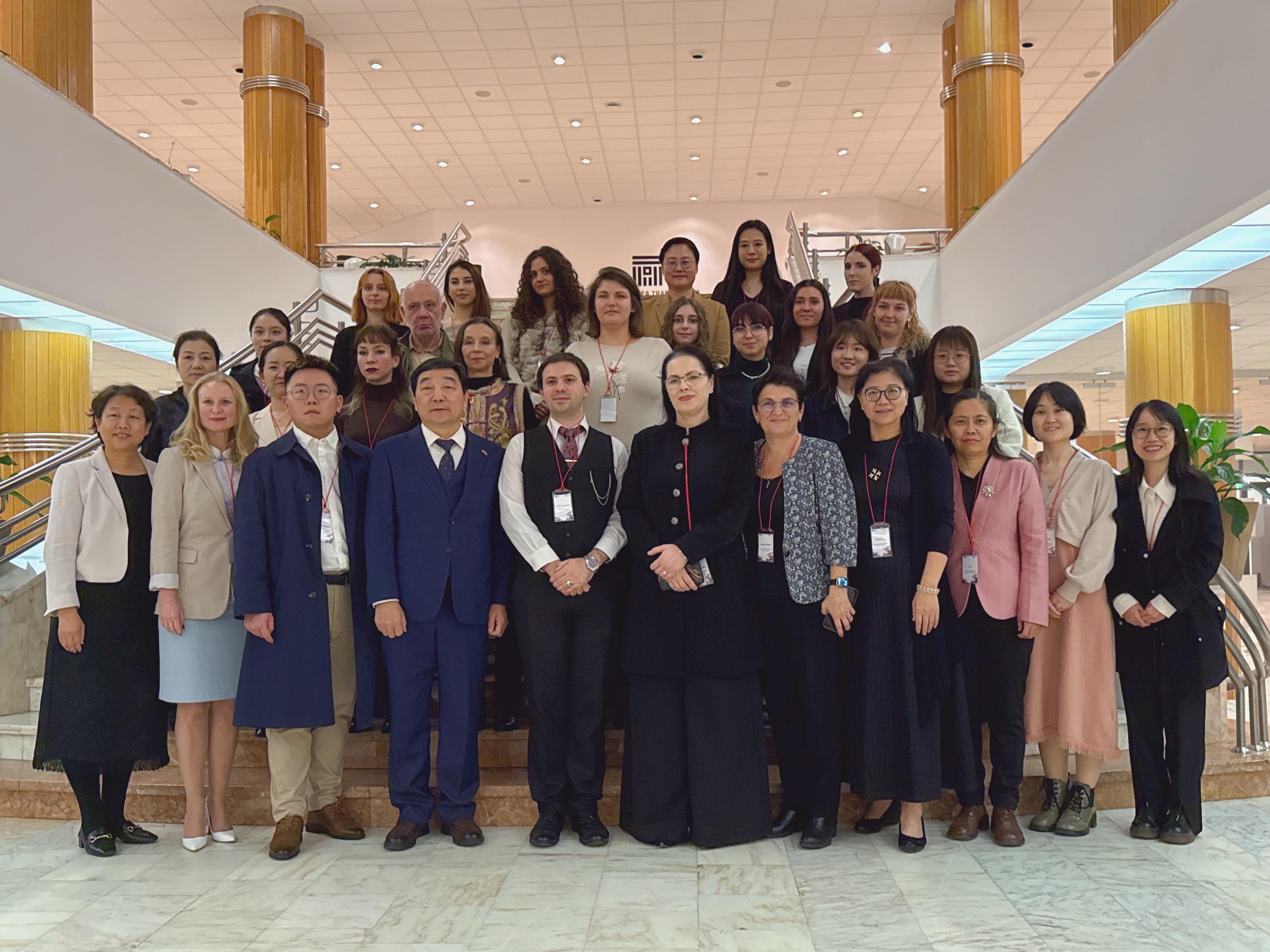
2025年10月30日至11月1日,拉脱维亚大学孔子学院代表团应邀赴罗马尼亚布拉索夫,参加由罗马尼亚特来西瓦尼亚大学孔子学院主办的首届汉语言文学文化国际研讨会。此次会议汇聚了来自中国、罗马尼亚、拉脱维亚、泰国、瑞士、巴西、阿尔巴尼亚、希腊、黑山等多国的专家学者与汉语教育工作者,共同围绕汉语教学、语言学研究、跨文化传播、文学与翻译等议题展开交流与讨论。
本次大会由中国驻罗马尼亚大使馆教育处负责人周国宁先生致辞开幕,特来西瓦尼亚大学文学院院长阿德里安·勒卡图什教授及孔子学院罗方院长科丽娜·西尔维娅·米库(中文名,宝龙)博士分别发表致辞,对与会嘉宾表示热烈欢迎,并向筹备团队和各界合作伙伴致以诚挚谢意。
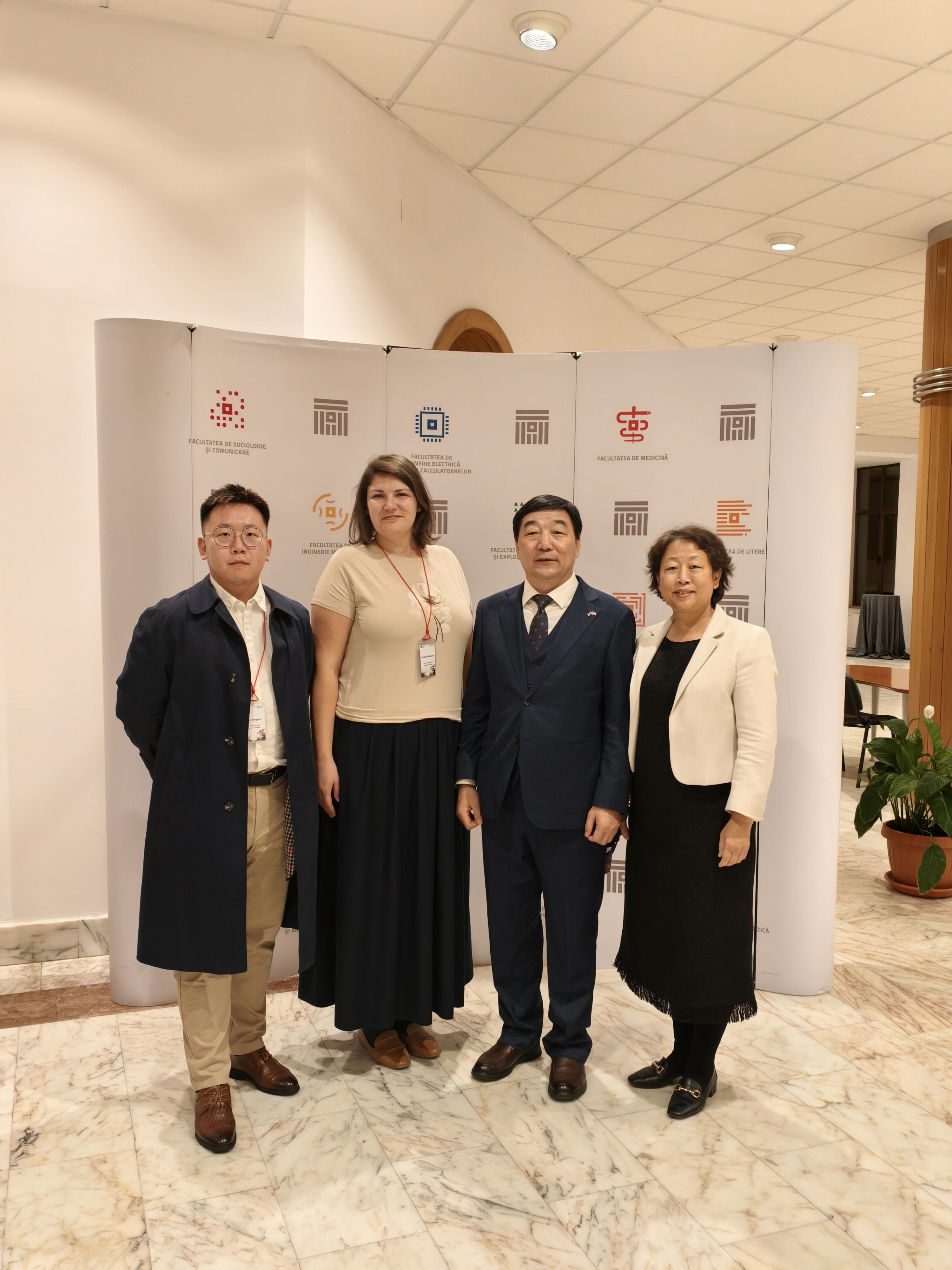
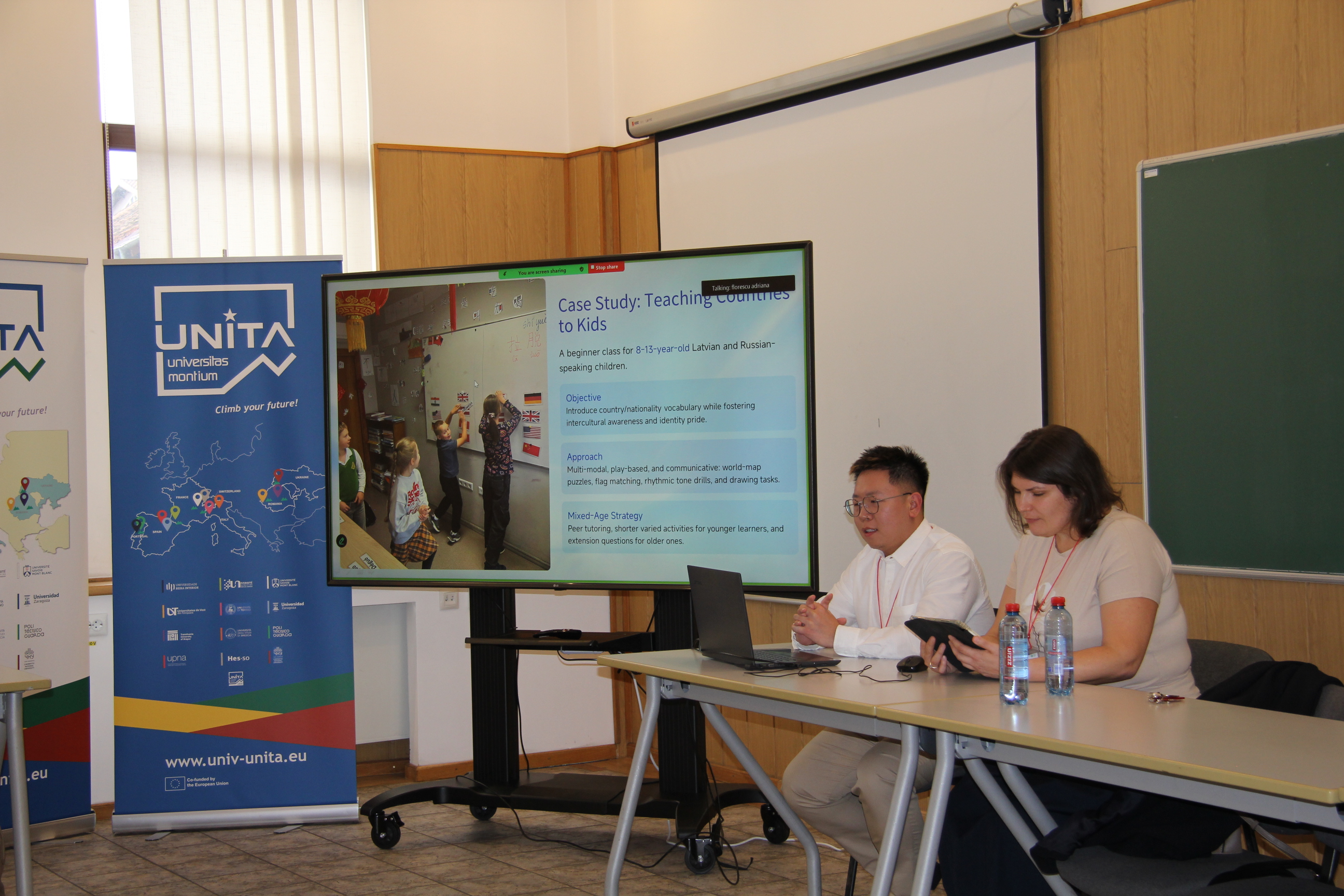
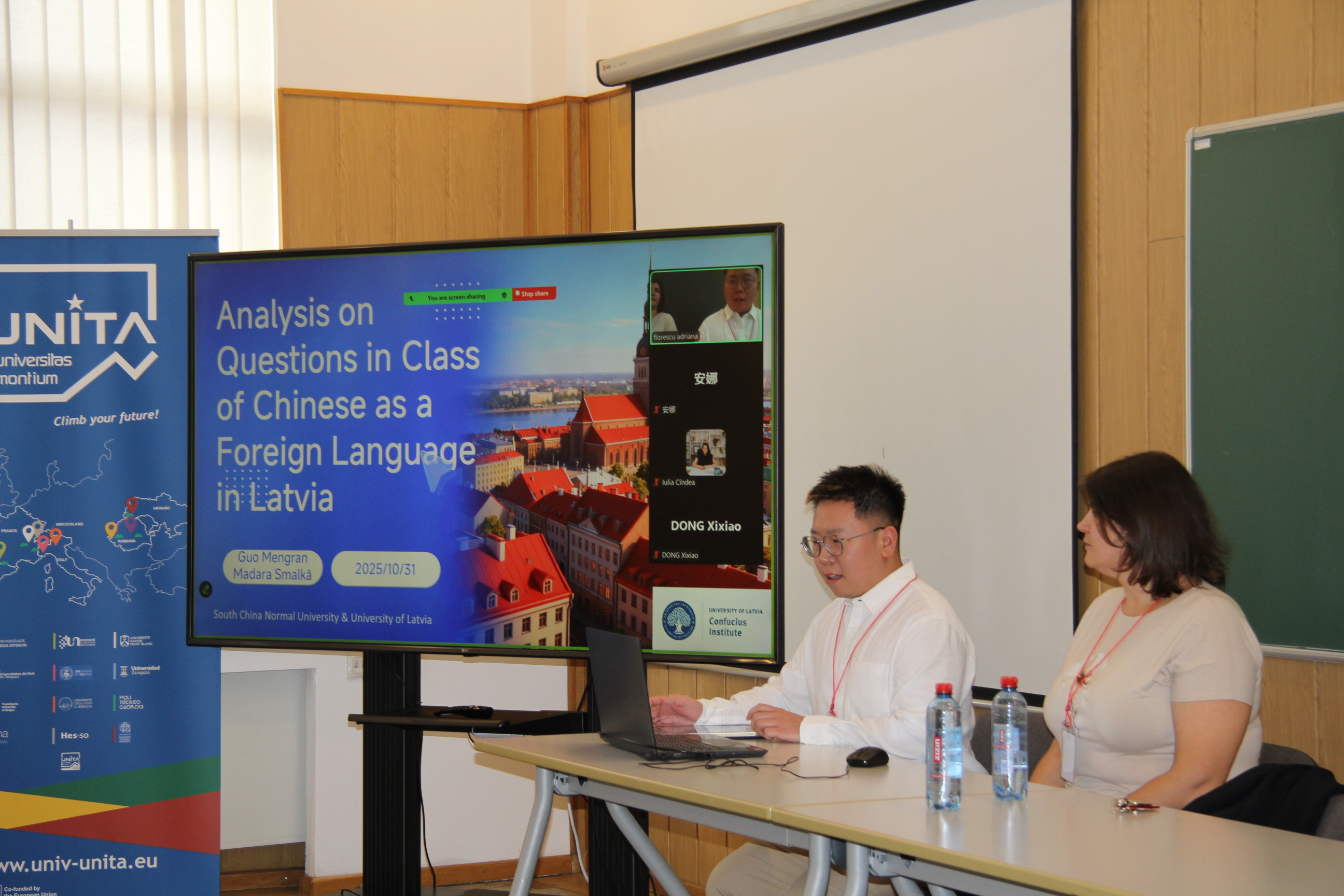
拉脱维亚大学孔子学院中方院长何东及夫人陶丽萍,公派教师郭萌冉、本土汉语教师Madara Smalkā出席本次会议,并积极参与专题讨论与学术交流。我院作者团队在“第二语言习得与跨文化研究”分会场作学术报告,题为:《拉脱维亚汉语课堂若干教学问题研究》“Analysis on Questions in Class of Chinese as a Foreign Language in Latvia”。该研究论文由何东、郭萌冉、马笑笑(Madara Smalkā)以及贝德高(Pēteris Pildegovičs)(通讯作者)合作完成。报告围绕拉脱维亚汉语课堂的本土化教学实践,重点探讨混龄混水平班级中学习动机差异、课堂参与不均衡与教学内容适配等问题,并结合行动研究提出差异化教学策略、文化情境融入与正向课堂评价机制,获得与会专家学者的积极回应。
大会闭幕式后,来自多国孔子学院的院长与教师代表赴布拉索夫孔子学院举行工作交流会,在圆桌论坛与孔院专题交流环节,专家们聚焦语音、词汇与语用教学的实践难点,提出了“兴趣驱动、成就激励、文化融入”的多维教学策略,强调语言教学与文化传承的有机结合,为中东欧地区中文教育的深化发展提供了新思路与新方案。
此次会议不仅展示了拉脱维亚大学孔子学院在汉语国际教育与跨文化传播方面的积极成果,也进一步扩大了孔院在中东欧区域的学术影响力。孔子学院将继续秉持开放、合作、共享理念,积极推动中拉、以及中东欧国家中文教育交流,为促进文明互鉴与民心相通贡献力量。
From October 30 to November 1, 2025, a delegation from the Confucius Institute at the University of Latvia was invited to Brașov, Romania, to attend the First International Symposium on Chinese Language, Literature, and Culture, hosted by the Confucius Institute at Transilvania University of Brașov. The symposium brought together scholars and Chinese language educators from China, Romania, Latvia, Thailand, Switzerland, Brazil, Albania, Greece, Montenegro, and other countries to engage in academic exchanges on Chinese language teaching, linguistics, cross-cultural communication, literature, and translation studies.
The opening ceremony featured remarks by Mr. Zhou Guoning, Head of the Education Section of the Embassy of the People’s Republic of China in Romania. Professor Adrian LecaTuș, Dean of the Faculty of Letters at Transilvania University, and Dr. Corina Silvia Micu (Chinese name: Baolong), Romanian Director of the Confucius Institute, also delivered speeches, warmly welcoming all participants and extending sincere appreciation to the organizing committee and all partners for their support and cooperation.
The delegation from the Confucius Institute at the University of Latvia consisted of Chinese Director Dr. He Dong and his spouse Ms. Tao Liping, Chinese-government-sponsored teacher Mr. Guo Mengran, and local Chinese language teacher Ms. Madara Smalkā. They actively participated in academic discussions and exchange sessions throughout the conference. The research team from our institute delivered a presentation in the “Second Language Acquisition and Cross-cultural Studies” panel titled “Analysis on Questions in Class of Chinese as a Foreign Language in Latvia.” The paper was co-authored by He Dong, Guo Mengran, Madara Smalkā, and Prof. Pēteris Pildegovičs (corresponding author). The study explored localized Chinese language teaching practices in Latvia, focusing on motivational differences, unequal classroom participation, and curriculum adaptation in mixed-age, mixed-level classes. The presentation also proposed differentiated instructional strategies, culturally contextualized teaching approaches, and positive classroom assessment mechanisms grounded in action research. The report received positive feedback from attending experts and scholars.
Following the closing session, directors and teachers from multiple Confucius Institutes gathered at the Confucius Institute in Brașov for a roundtable meeting. During thematic discussions, participants examined key challenges in teaching Chinese phonetics, vocabulary, and pragmatics, and proposed multi-dimensional instructional approaches emphasizing “interest-driven learning, achievement motivation, and cultural integration.” The dialogue underscored the importance of integrating language instruction with cultural transmission and offered new perspectives and strategies for advancing Chinese education across Central and Eastern Europe.
This symposium not only showcased the achievements of the Confucius Institute at the University of Latvia in international Chinese language education and cross-cultural communication but also further strengthened its academic influence in the Central and Eastern European region. Guided by the principles of openness, cooperation, and mutual learning, the Confucius Institute will continue to deepen educational collaboration between Latvia, China, and the countries of Central and Eastern Europe, contributing to mutual understanding, cultural exchange, and the fostering of closer people-to-people ties.
【编辑: 郭萌冉 / Edited by Mengran Guo】